

Environmental Policy
Everything we’re doing to reduce, reuse and recycle and more…
Waste Management
Plastic bottles, cans, aluminium foil, wastepaper, and cardboard are recycled through the trade waste recycling scheme.
Old furniture is sent to Pembrokeshire FRAME, which upcycles items and provides placements for individuals with disabilities, including those with mental health challenges.
Fruit and vegetable peels and cores are composted for environmental benefit.
Empty watercooler containers are collected by the supplier for re-use, reducing waste and costs.
‘Shred-it’ consoles are used for sensitive paperwork, shredded paper is pulped and used to create new, high-demand paper products such as tissue, packaging and paper-based materials. This saves trees, and contributes to environmental certification.
Unwanted wastepaper (non-confidential) is reused for office activities such as quizzes and note-taking.
Coffee grounds are used in the gardens to support plants that thrive in acidic soil.
Used tea bags are soaked to release tannins, which serve as a natural feed for the centre’s houseplants, eliminating the need for chemical fertilizers.
Used tea bags are then split and dug into the garden soil to boost nitrogen levels, reducing reliance on chemical fertilizers.
Transport and Travel
Staff are encouraged to travel by train for longer distances to conferences and events.
Car-pooling is promoted for staff attending the same events, reducing carbon emissions.
Clients are assisted in applying for bus passes to reduce the need for taxis.
A minibus is provided for events to reduce the number of cars, minimising environmental impact.
Many staff have hybrid roles, working from home to reduce travel-related emissions.
Meetings are encouraged to be held on Teams unless face-to-face meetings are essential.
Multiple pick-up points and a National Park electric minibus reduce the need for multiple cars in community activities.
Raw Materials and Supplies
Paper is sourced from sustainably managed forests.
Staff are encouraged to print only when necessary, with settings defaulting to grayscale and double-sided.
Diaries made from post-consumer waste are promoted, displaying a recycling logo.
Free-range eggs and fresh produce are sourced from local farms, minimising supply chain impact.
We prioritise purchasing produce that is not packaged in plastic, cling film, or other non-biodegradable materials.
Milk is delivered by a Haverfordwest-based milkman on foot, reducing transportation carbon footprint.
We use recyclable cardboard cups for the watercooler and hot beverages, in line with the Environmental Protection (Single-use Plastic Products) (Wales) Act 2023.
In compliance with the Environmental Protection (Single-use Plastic Products) (Wales) Act 2023, we avoid using any single-use plastics.
We partner only with suppliers who align with the principles outlined in our Ethical Fundraising and Investment Policy.
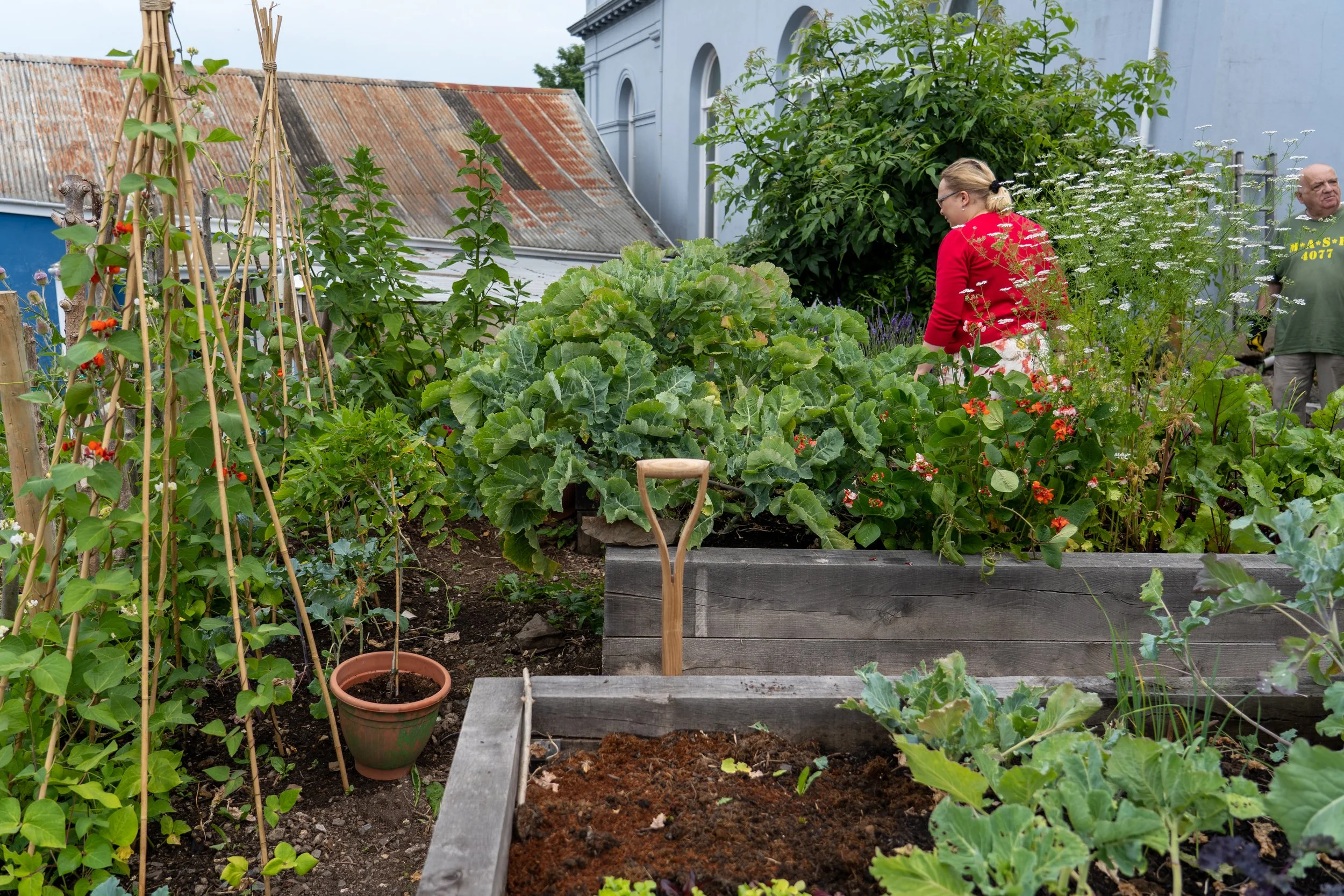
A significant portion of the food used in the Carmarthen Centre is grown on-site. Routes to Discovery grows a variety of vegetables in its garden, which are shared with participants and visitors. We also support individuals in growing their own produce at home.
Roots to Recovery meets at a local Town Hall on Farmer’s Market Day, where participants can purchase locally grown produce. The setting fosters discussions on sustainability, carbon footprint, and introduces new items like microgreens.
The Pembroke Dock Centre has taken on an allotment to grow vegetables for callers, reducing food miles and promoting local food sourcing.
Energy Usage
Staff are encouraged to turn off appliances when not in use, and energy-efficient equipment is prioritised.
Energy is supplied by green providers, with a review planned for when fixed-term contracts expire.
When purchasing new electrical equipment, we prioritise energy-efficient options based on the Energy Star rating, provided cost and reviews align with our requirements.
Energy-efficient improvements, such as new windows and doors, have been made in our buildings.
At the Carmarthen Centre, we use quick, low-heat cycles on the washing machine and dishwasher, and wait for full loads before operating.
Water butts are used to collect rainwater, reducing tap water usage in the Haverfordwest greenhouse.
Our Contributions
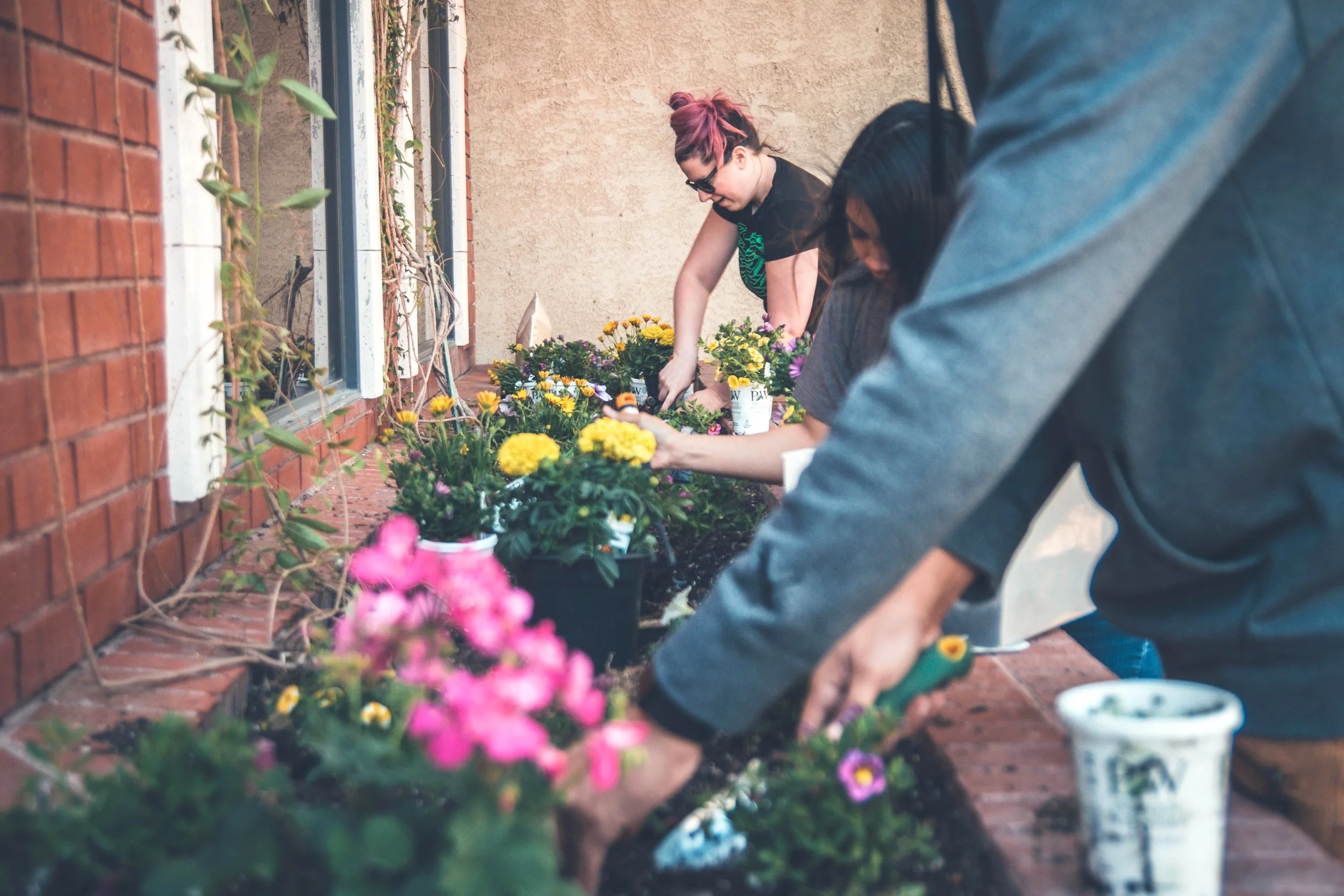
Staff, volunteers, and service users tend gardens, which have mental health and environmental benefits.
The Gardening Club in Carmarthen grows food that is used in meals prepared by our kitchen volunteers.
The Routes to Discovery team, in collaboration with National Parks and the Gardening Club in Carmarthen engages in community outreach and conservation efforts.
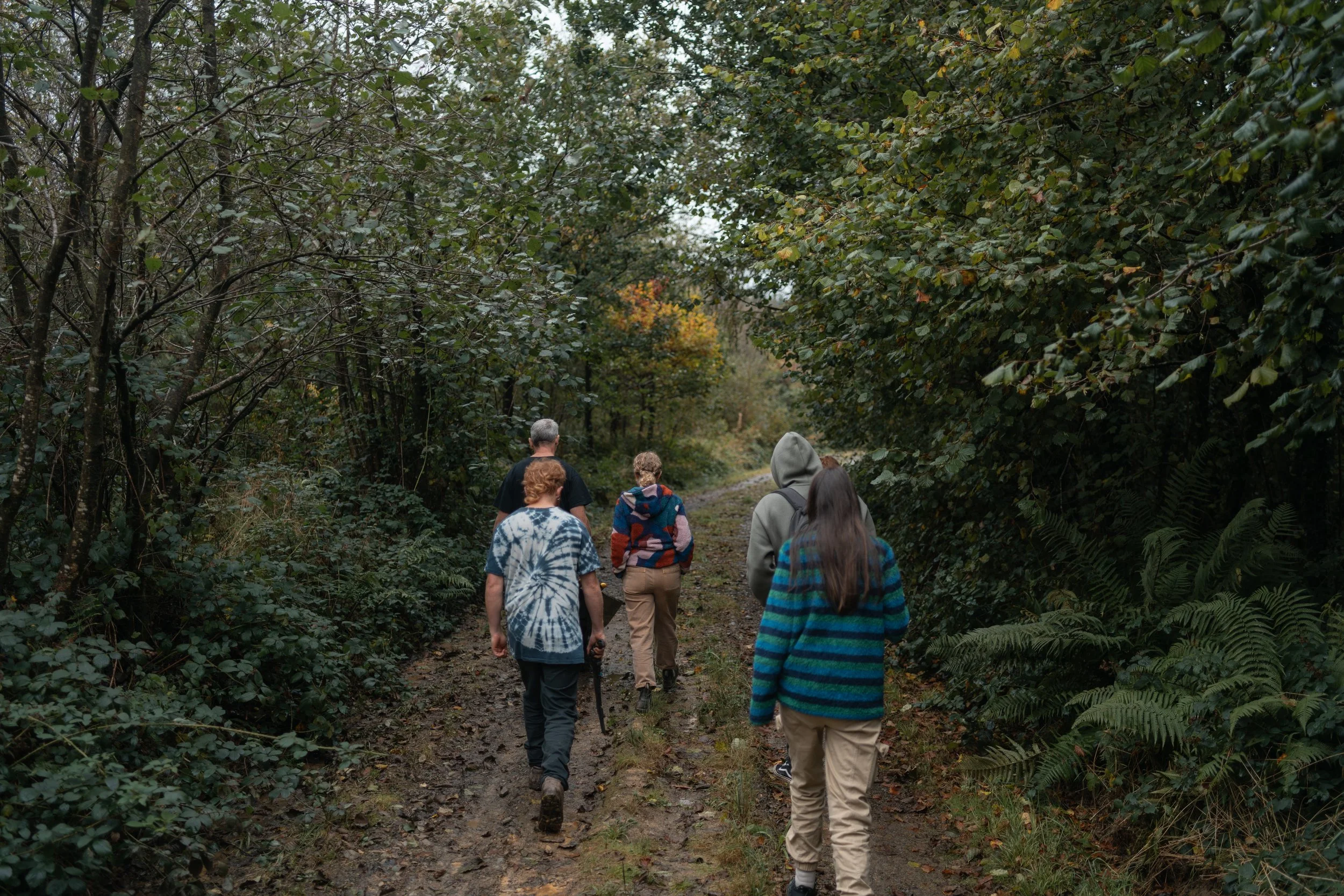
Routes to Discovery activities support participants' wellbeing while contributing to the community through volunteer days and conservation work in the National Park.
During conservation work, Routes to Discovery staff educate participants on environmental issues, such as the impact of plastics, pesticides, invasive species, and the importance of planting for pollinators. This connection to nature encourages participants to protect the environment and consider the impact of their choices